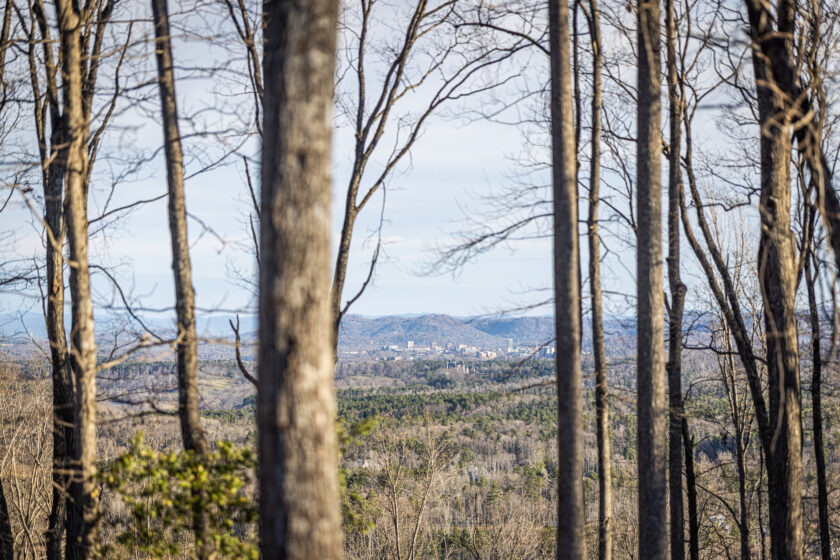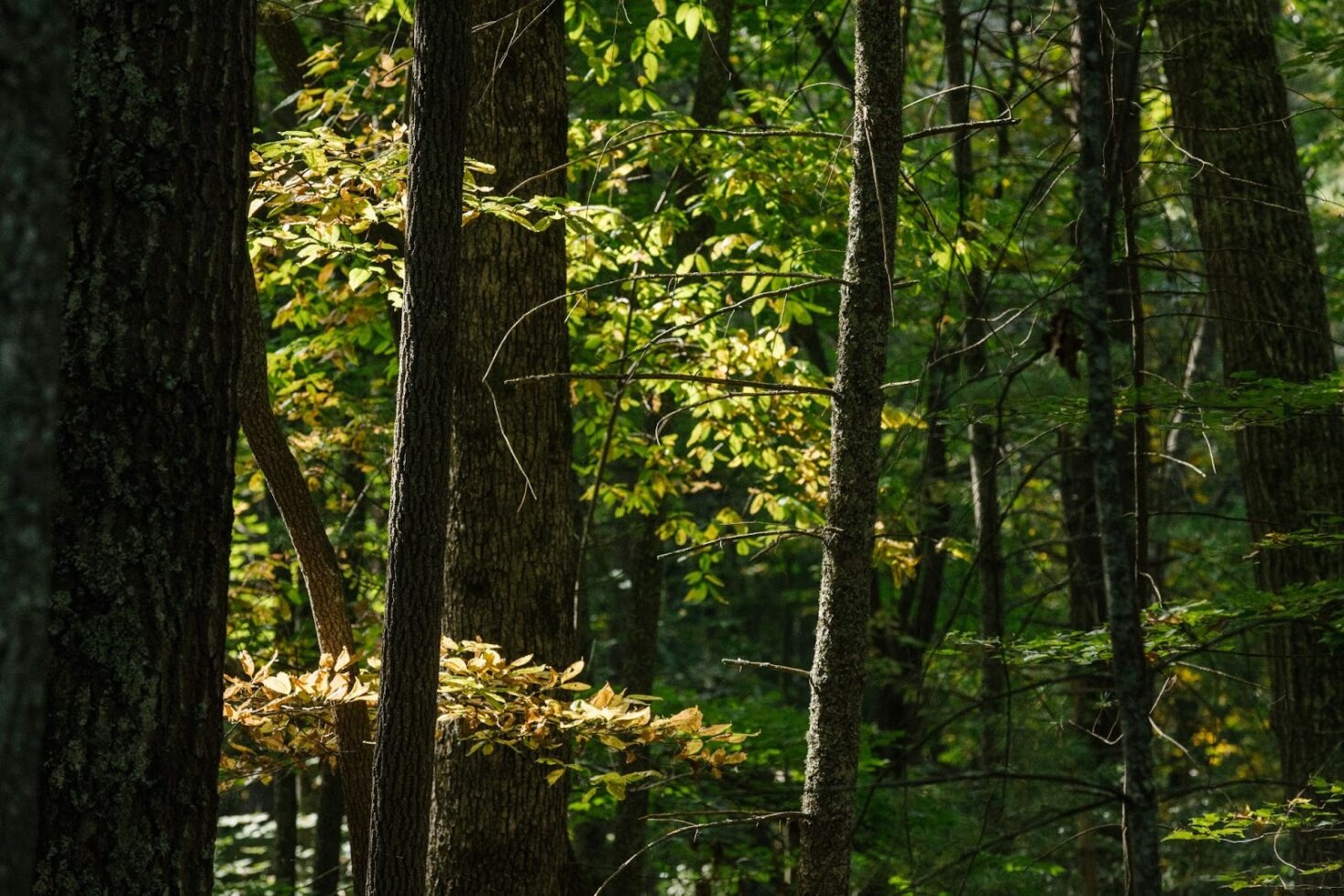
Early spring in Western North Carolina does not arrive all at once, but reveals itself gradually, often before any visible change takes hold. The mountains remain restrained with bare branches set against a pale sky. The wind carries a brisk sharpness, and the green of the season has only begun its gradual return along the lower elevations. Yet even before the canopy fills and the landscape softens, a distinct transformation takes place.
At The Ramble Biltmore Forest, the first sign of spring is not visual but auditory.
Before leaves unfold and warmth settles fully into the season, the forest begins to articulate its renewal. The sounds of spring carry clearly through the open woods, unimpeded by foliage, and the air feels newly animated. What begins as a single phrase soon becomes a layered chorus, marking one of the most meaningful ecological shifts of the year.
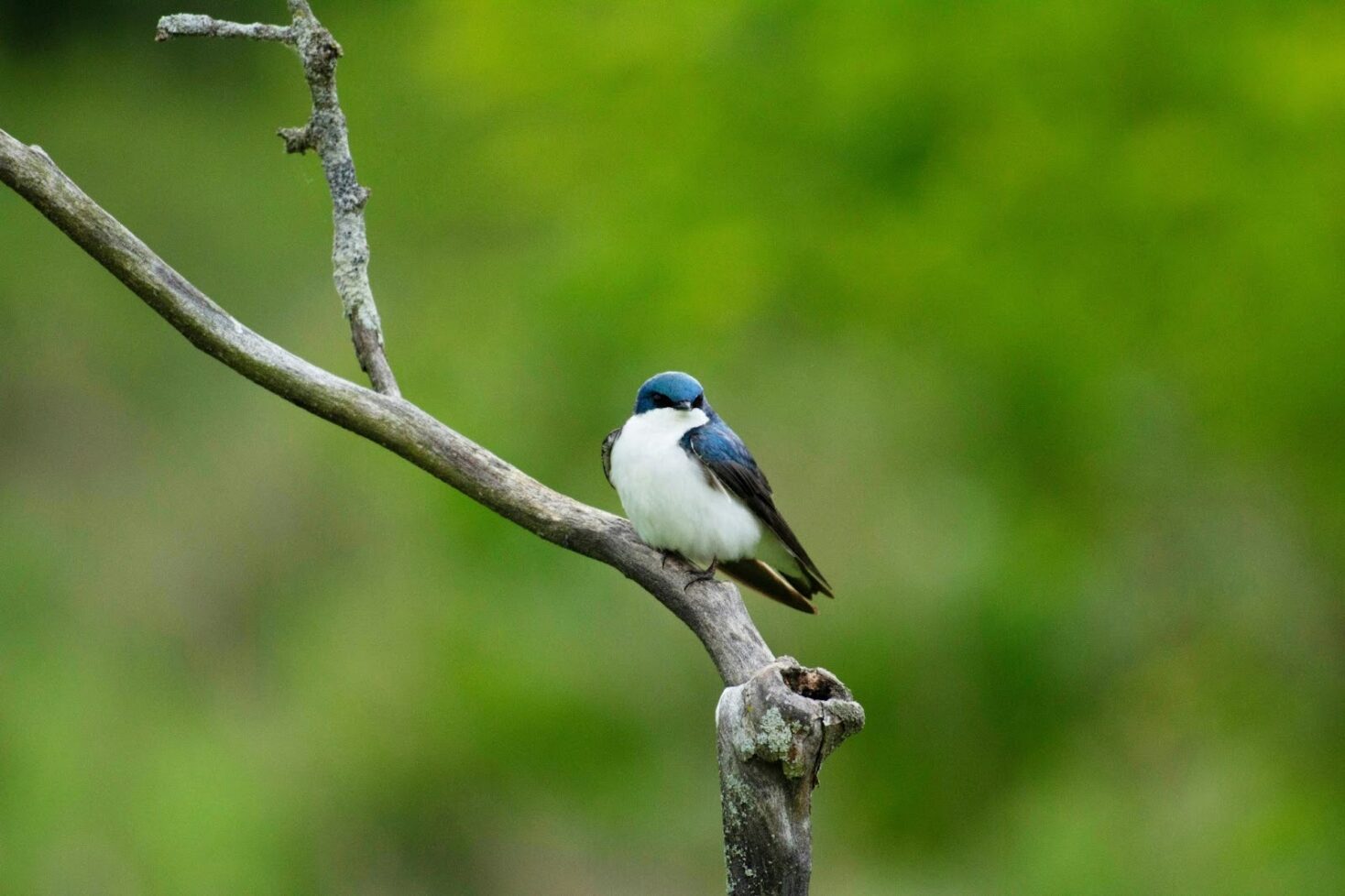
Each spring, migratory birds journey north from Central and South America to the Southern Appalachians, drawn by the richness and biodiversity of this temperate forest. Their arrival is both beautiful and consequential, signaling longer daylight, emerging insects, and the reawakening of the forest. Western North Carolina sits within one of the most biologically diverse regions in North America, and its seasonal transitions are expressed first in sound.
Among the voices of mid to late spring is the Wood Thrush, often regarded as the sound of Appalachian spring. Its clear, flute-like song rises in measured phrases, resonant and layered, lingering in the cool morning air. Its call travels with remarkable clarity, creating a sense of depth that feels both intimate and expansive.
On a walk through The Ramble in early spring, these are some of the voices you may begin to notice:
Together, these birds compose the opening movement of spring. Their songs precede the visual transformation of the mountains, offering an early expression of the season’s return.
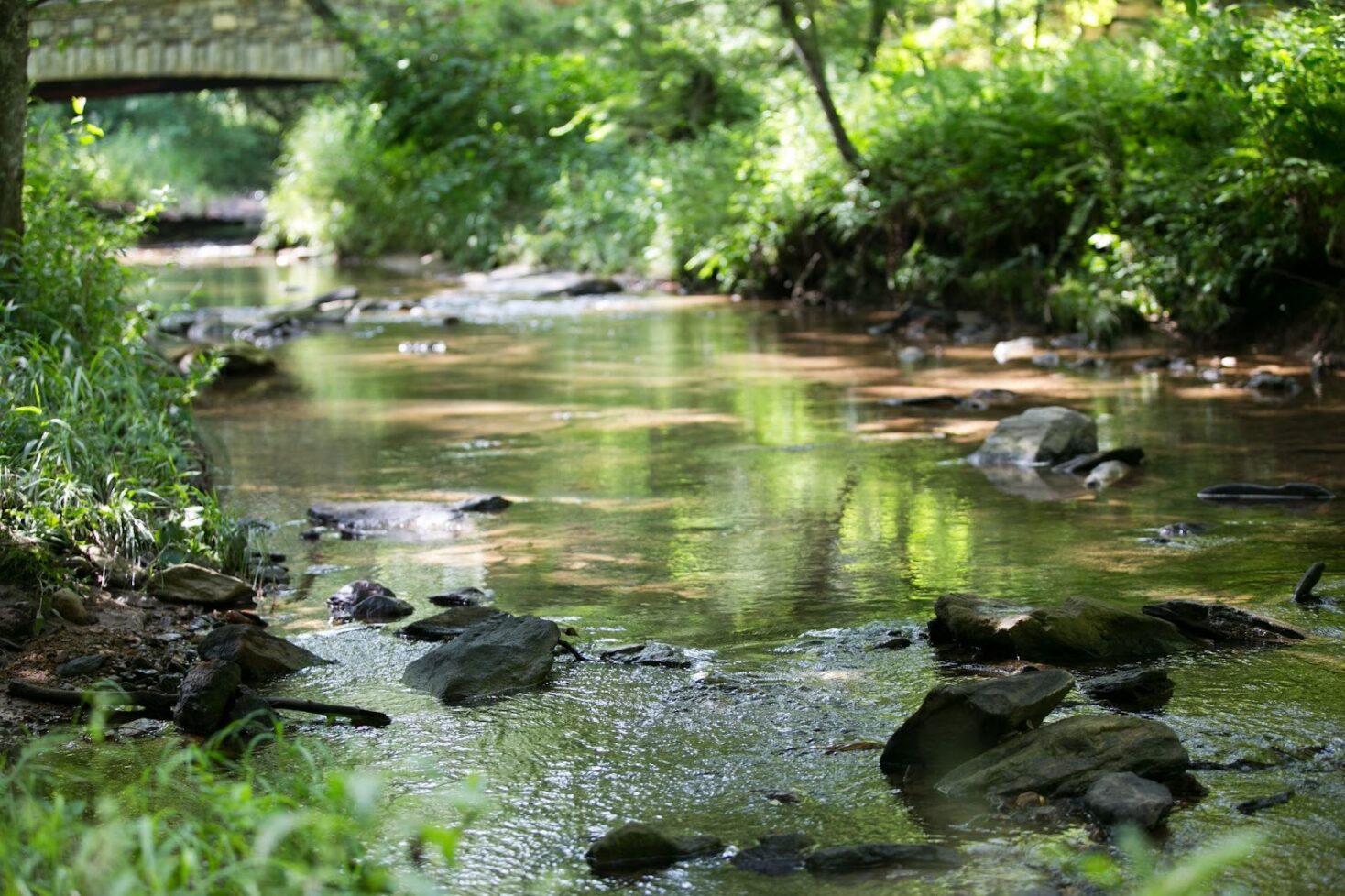
As March advances, the forest gathers additional layers of sound. When out on an early walk or sitting on a porch just after sunrise, these sounds carry farther than expected, traveling easily through the still-open woods. Wind moves more gently through branches covered with emerging buds. Dingle Creek runs freely again, its steady movement threading through the trees. Early rains settle onto leaves and emerging growth, softening the woodland floor with a consistent and reassuring cadence. Along the waterways, frogs begin their evening chorus, rising gradually with the deepening dusk.
In this transitional moment, before the canopy closes, the experience of the landscape is immersive and expansive. Morning and evening become particularly expressive hours, when birds are most active and the cool air carries their songs across hillsides and through hollows. The season rewards attentiveness, revealing that renewal unfolds gradually and that its earliest expressions are often subtle.
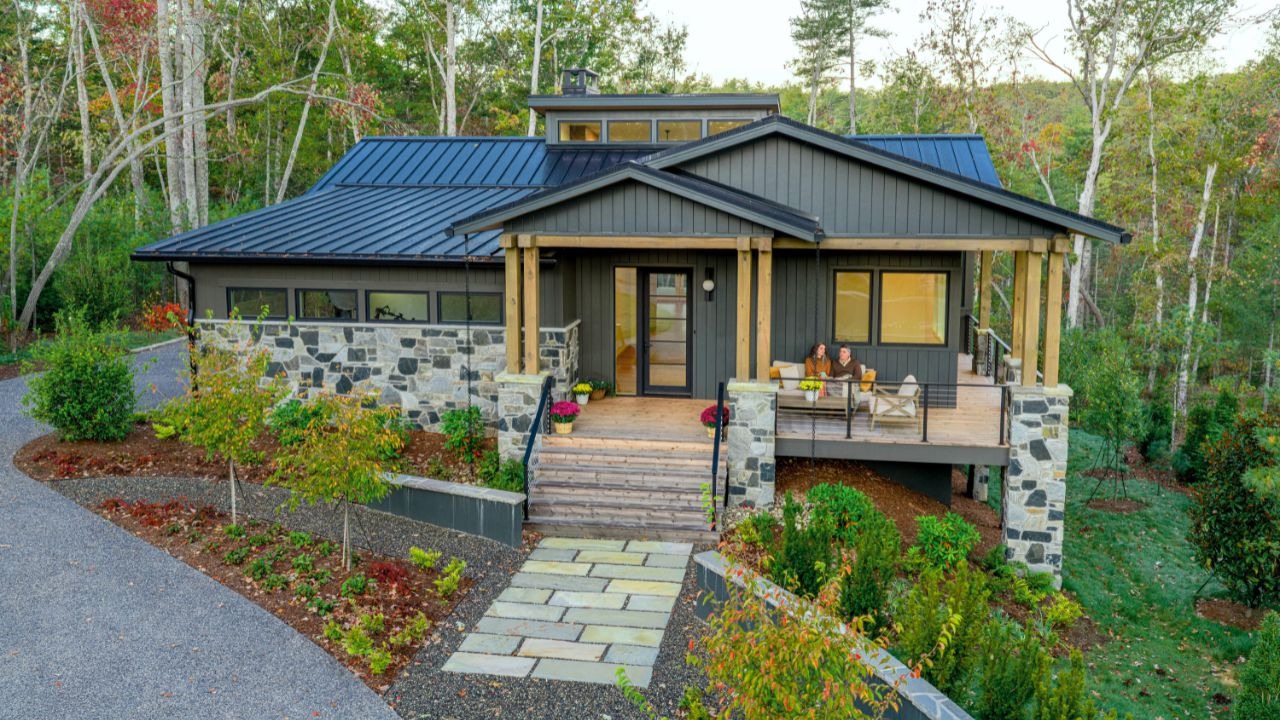
This awareness of seasonal rhythm is not incidental here at the Ramble Biltmore Forest. It is something the community has been designed to honor. The community’s approach to architecture reflects a commitment to living in harmony with the natural systems of Western North Carolina rather than apart from them.
Homes are thoughtfully oriented to embrace shifting light and evolving views, ensuring that residents remain connected to the landscape as it transitions from winter to spring. Expansive windows frame the forest before leaves return, allowing birdsong to accompany the first light of day. Covered porches and transitional spaces provide comfortable vantage points during cool spring mornings and evenings, inviting residents to experience the forest.
Builders study each homesite with care, working with the slopes and contours of the land so that architecture rests naturally within its setting. Landscapes are shaped with restraint, preserving the integrity of the wooded environment that sustains the migratory birds whose songs define the season. View corridors are considered not only for scenery, but for the way sound carries through open woods in early spring.
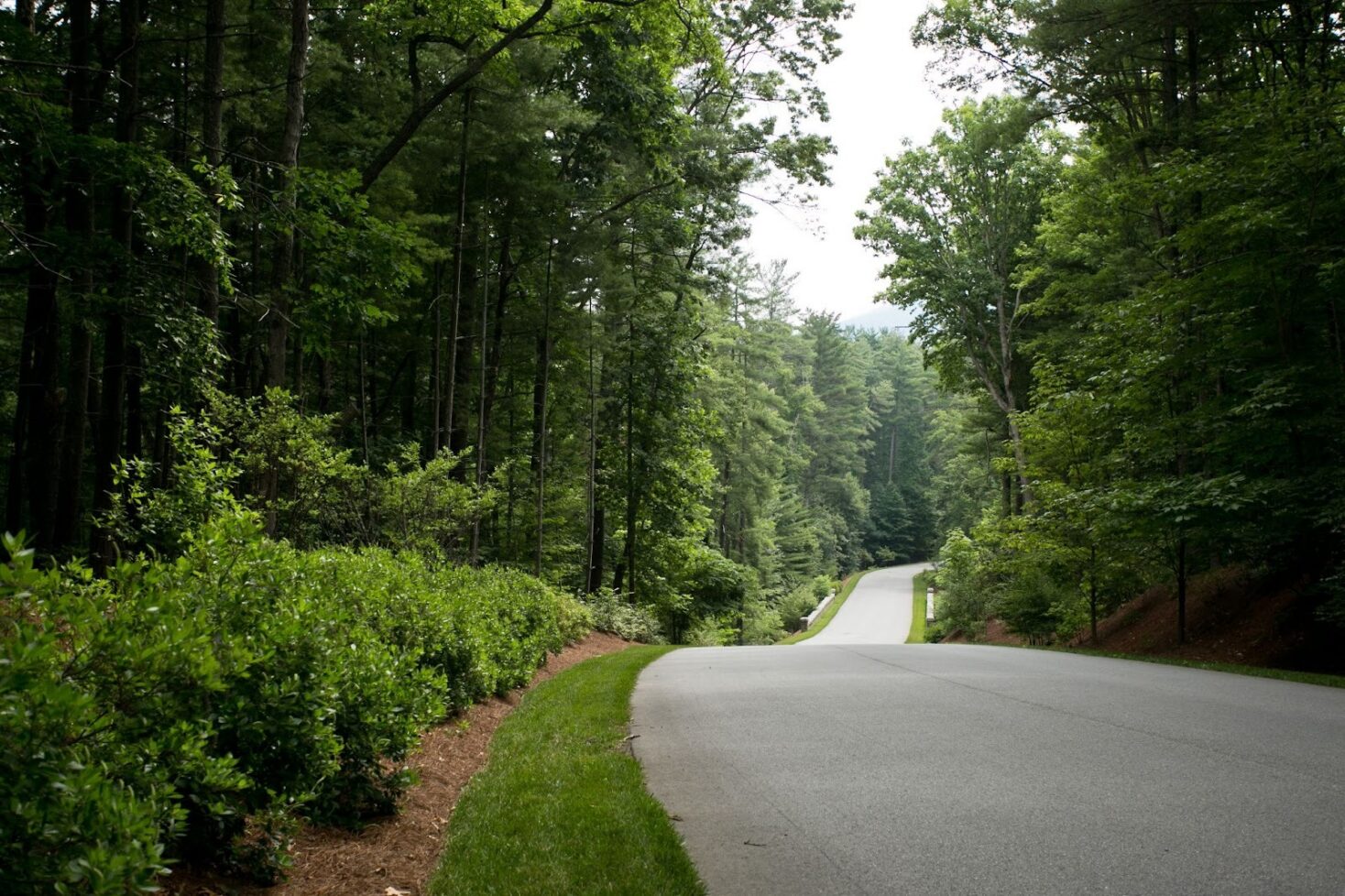
To live in Western North Carolina is to become aware of rhythms like these, migration, renewal, and the steady unfolding of the seasons. It is a rare gift to inhabit one of the most biologically rich regions in the country, where the natural world reveals itself with depth and nuance. The return of songbirds each March is not simply a pleasant accompaniment to warmer days; it is an ecological event tied to forest health and habitat continuity across continents.
The Ramble Biltmore Forest reflects a deep understanding of this context. Its design philosophy is regionally rooted, attentive to the natural details of Western North Carolina, and invested in preserving the rhythms that define it. Beauty here is not limited to surface appearance. It is embedded in orientation, in landscape responsiveness, and in the intention to create homes in harmony with the land.
As spring unfolds and the canopy gradually fills, the visual progression of spring will follow. Yet for those who take the time to listen, the true beginning of the season can already be heard in the clear, resonant birdsong drifting through the forest at dawn.